

Online prescription consultations fundamentally alter the traditional dynamics between healthcare providers and patients by introducing digital intermediaries into previously face-to-face interactions. This shift creates new communication patterns, changes trust-building processes, and redefines the boundaries of medical care delivery. The transformation extends beyond simple convenience to influence how patients perceive medical authority, access healthcare services, and maintain ongoing relationships with their providers. As healthcare shifts digitally, NextClinic represents a model focused on convenience without compromising medical care. These technological solutions demonstrate how modern medicine adapts to changing patient expectations and lifestyle demands while preserving essential elements of quality medical care.
Digital shifts
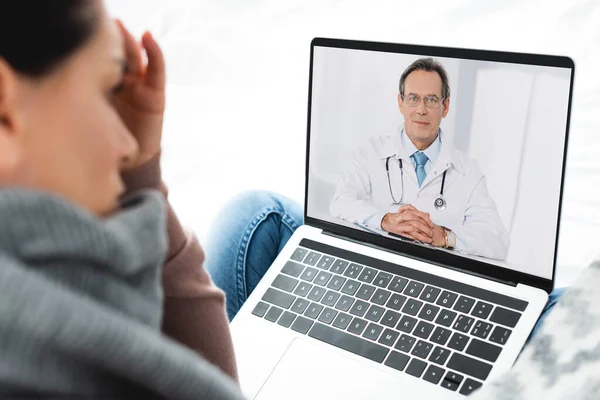
Integrating digital technologies into medical practice has created new pathways for patient-doctor interactions that complement traditional office visits. Video consultations allow visual assessment of patients while maintaining the personal connection that purely text-based systems lack. This visual component helps doctors observe non-verbal cues, assess patient demeanour, and conduct limited physical examinations through guided self-assessment techniques. Obtaining prescriptions online has become particularly valuable for patients managing chronic conditions requiring regular medication adjustments without needing comprehensive physical examinations. Electronic health records integration ensures continuity of care by providing doctors access to complete patient histories during virtual consultations. This comprehensive view enables informed decision-making that rivals traditional in-person visits for many medical conditions. The digital format also creates detailed consultation logs that improve care coordination and provide valuable reference materials for future appointments.
New talk styles
- Text-based messaging systems allow patients to communicate concerns without scheduling formal appointments
- Asynchronous communication enables doctors to respond during optimal times rather than being constrained by appointment schedules
- Photo sharing capabilities permit visual documentation of symptoms or treatment progress
- Automated reminder systems improve medication compliance and follow-up appointment adherence
- Translation services built into platforms expand access for non-native speakers
- Family member inclusion becomes easier through digital platforms that accommodate multiple participants
Building trust online
Establishing trust through digital channels requires different approaches than traditional face-to-face interactions. Doctors must develop new communication skills that convey empathy, competence, and genuine care through video screens and written messages. The absence of physical presence initially challenges both parties to find alternative ways to build the rapport that forms the foundation of effective medical relationships. Virtual consultations often require more explicit communication about treatment plans, medication instructions, and follow-up procedures since patients cannot rely on physical handouts or immediate clarification. This increased verbal and written communication enhances comprehension for some patients who benefit from detailed explanations and written records they can reference later.
Hybrid care
The most effective modern healthcare delivery combines virtual and in-person services based on medical necessity and patient preferences. Routine follow-ups, medication adjustments, and minor acute conditions often work well through digital consultations, while complex diagnoses, physical examinations, and procedure-based treatments require traditional office visits. This hybrid approach maximises the benefits of both delivery methods while minimising their respective limitations. Patients develop relationships with healthcare providers through multiple interaction channels, creating more touch points and opportunities for communication than purely traditional models provide. The doctor-patient relationship is not disappearing but expanding to include new dimensions that enhance accessibility while maintaining quality care standards. Success in this transformed landscape depends on doctors and patients adapting their communication styles and expectations to leverage the strengths of digital healthcare delivery.