
Key Highlights
- Cultural outings provide a real-world context for language use.
- Mandarin media consumption helps improve listening and slang recognition.
- Interactive games and apps make vocabulary practice feel like play.
- Ordering food in Mandarin builds confidence in social interactions.
Introduction
The journey of learning Mandarin, for many children, is often confined to the four walls of a classroom. While formal instruction is essential for building a strong foundation in grammar and character recognition, the language truly comes alive when it is used in the real world. Supplementing lessons with extracurricular activities helps students see the practical value of their studies and encourages them to use the language more spontaneously.
While a tuition centre in Singapore provides the necessary academic structure, parents can play a vital role in creating an immersive environment at home. After all, by integrating Mandarin into weekend plans and daily hobbies, the language shifts from being just another school subject to becoming a natural part of the child’s identity. These activities foster a more positive attitude toward the language, which is the key to long-term bilingual success.
1. Exploring Cultural Landmarks and Heritage
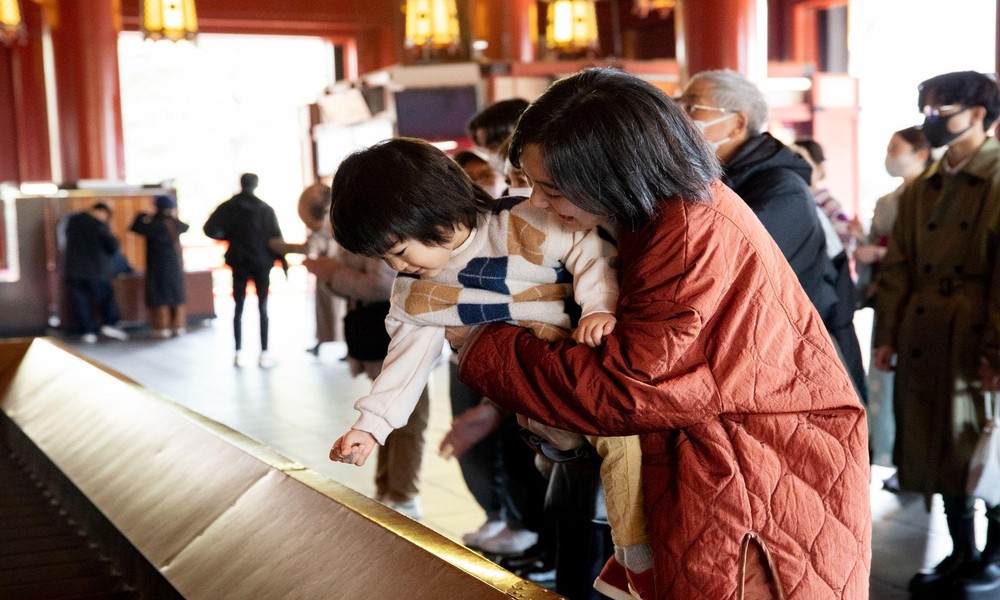
Singapore is rich in Chinese heritage, offering numerous opportunities for cultural immersion. Taking a trip to Chinatown, visiting the Sun Yat Sen Nanyang Memorial Hall, or exploring the exhibits at the Singapore Chinese Cultural Centre can spark a child’s interest in their roots. These outings provide a visual and historical context for the stories and idioms they learn in their textbooks.
Parents, during these visits, can encourage children to read signs and brochures written in Chinese. Discussing the architecture, traditional crafts, or the history of early immigrants allows for the use of more advanced vocabulary in a natural setting. Connecting the language to tangible history makes the learning experience more memorable and meaningful for the student.
2. Engaging with Mandarin Media and Entertainment
Access to high-quality Mandarin content is easier than ever. Watching animated films, variety shows, or even following Chinese creators on educational platforms can significantly boost listening skills. This exposure introduces students to different accents and colloquialisms that they might not encounter in a formal tuition centre.
The key is to find content that matches the child’s interests. If they enjoy science, look for Mandarin documentaries about space or nature. If they love music, create a playlist of popular C-pop songs. Remember, by surrounding themselves with the sounds of the language during their downtime, students begin to internalise the rhythm and flow of Mandarin without even realising they are “studying.”
3. Using Mandarin in Daily Social Interactions
One of the most practical ways of learning Mandarin in Singapore is to use it during errands. Encourage your child to order their own meal at a hawker centre or ask for directions in Mandarin. These low-stakes interactions are perfect for building “functional fluency”-the ability to use the language to achieve a specific goal.
These moments teach children that the language is a useful tool for communication, not just something they use to pass exams. Once a child successfully orders their favourite drink or snack in Mandarin, they feel a sense of accomplishment. This boost in confidence often carries over into their schoolwork, making them more willing to participate in class discussions.
4. Interactive Language Games and Family Challenges
Turning language practice into a game can remove the pressure and make learning enjoyable. Families can play traditional board games with a Mandarin twist or use language-learning apps that offer competitive elements. Setting up a “Mandarin-only hour” during dinner can also be a fun way for the whole family to practice together.
The focus, during these challenges, should be on communication rather than perfect grammar. Encourage everyone to try their best, and use a dictionary or translation app if someone gets stuck. Remember, by making the language a shared family experience, you create a supportive environment where the child feels comfortable making mistakes and learning from them.
Conclusion
Learning a language is a lifelong journey that extends far beyond academic results. That said, by providing diverse and engaging opportunities to use Mandarin in daily life, parents can help their children become truly bilingual. These real-world experiences build the confidence and curiosity needed to master the language at every level.
Contact LingoAce today to explore reliable Chinese tuition options for your child.