
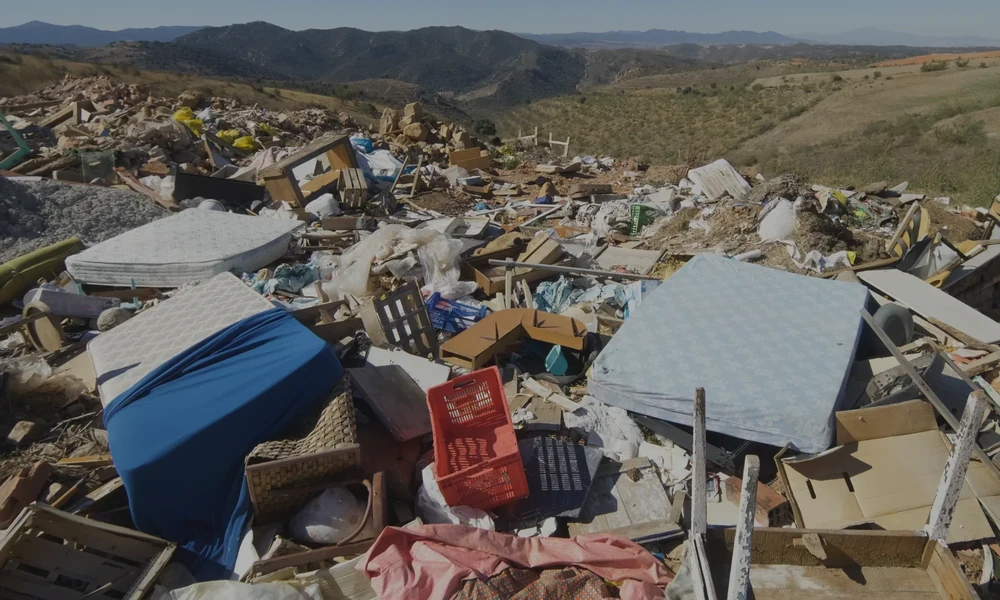
A single discarded mattress can take decades to break down, meanwhile quietly clogging up precious landfill space and leaching chemicals into the soil. Yet, millions of old beds are dumped each year, and most people never realize the environmental impact quietly building beneath their feet.
Why Are Mattresses a Problem for Landfills?
Mattresses are more than just an eyesore when tossed away. Their sheer bulk and mixed materials make them one of the trickiest items to manage in the waste stream.
How Long Do Mattresses Take to Decompose?
It can take 80 to 120 years for a mattress to decompose fully in a landfill. During those decades, springs rust, foam degrades painfully slowly, and the whole structure resists compacting, bulking up landfill volume. This prolonged breakdown means that today’s mattress problem will linger for generations.
What Materials in Mattresses Harm the Environment?
Mattresses are a cocktail of synthetic foams, fire retardants, steel, wood, and textiles. Polyurethane foam releases toxins as it breaks down. Metal springs don’t degrade but can rust and pollute surrounding soil. The fire-resistant chemicals used in many mattresses can leach out over time, adding to environmental hazards.
How Many Mattresses End Up in Landfills Annually?
Globally, an estimated 20 million mattresses are thrown out each year. In Canada alone, hundreds of thousands of mattresses are landfilled annually, with each one taking up about 23 cubic feet of space. Multiply that by millions, and the mountain of waste becomes difficult to ignore.
What Is Mattress Recycling and How Does It Work?
Mattress recycling offers a lifeline for both the environment and overcrowded landfills. Instead of tossing an entire bed into the dump, recycling facilities carefully dismantle and recover valuable materials.
What Are the Key Steps in Mattress Recycling?
The process starts with sorting and stripping:
– Fabrics and foams are separated.
– Metal springs are removed and baled.
– Wood slats are extracted.
Each material heads to a specialized recycler. For example, steel springs become scrap metal for new products, foam gets reborn as carpet underlay, and wood can be chipped for mulch or fuel.
Which Materials Are Recovered and Reused?
Modern recycling methods can recover up to 90% of mattress components. Commonly reclaimed materials include:
– Steel (from springs)
– Polyurethane foam (for carpet padding)
– Cotton and felt (insulation)
– Wood (mulch or energy)
Who Is Leading Mattress Recycling Efforts?
Pioneers like Recyc-Matelas mattress recycling have already diverted over four million mattresses from landfills across Quebec, Ontario, Toronto, and Montreal. Their innovative, sustainable approach sets a model for the industry and offers an alternative to simply dumping mattresses.
How Does Mattress Recycling Reduce Landfill Waste?
Every recycled mattress is one less taking up landfill space. But the benefits extend further.
What Percentage of Mattress Waste Can Be Diverted?
In efficient programs, as much as 90% of mattress volume gets diverted from landfill, leaving only a fraction for final disposal. Compare this to the near-100% landfill fate of a mattress tossed out with regular garbage.
Environmental Benefits Beyond Waste Reduction
By extracting and reusing materials, recycling saves significant energy and resources. For example, recycling steel uses up to 75% less energy compared to making it from raw ore. Diverted foam and textiles mean less reliance on new, petroleum-based manufacturing. Fewer chemicals and less bulk in the landfill also mean cleaner soil and water.
Impact on Resource Conservation and Emissions
The more we recycle, the less we need to mine, drill, and process virgin materials. Cutting new resource extraction curbs greenhouse gas emissions, an important step for any industry facing climate challenges.
What Are the Challenges of Mattress Recycling?
Despite clear benefits, mattress recycling is still not universal.
Why Is Mattress Recycling Not More Widespread?
Many regions lack the specialized facilities required to break down mattresses. Collection logistics are tricky because mattresses are heavy, awkward to transport, and often contaminated or infested.
Logistical and Economic Barriers
Transportation costs can be significant. Setting up and operating a recycling plant requires upfront investment, and not every area generates enough volume to make programs viable without subsidies or mandates.
How Are These Challenges Being Addressed?
In places like Canada, policy is starting to encourage extended producer responsibility, making manufacturers or retailers help fund recycling. Innovative companies are also streamlining processes to reduce costs.
Where Can You Recycle Your Mattress?
Not every municipality offers curbside mattress recycling, but options are expanding.
Overview of Mattress Recycling Programs in Canada (Quebec, Ontario, Toronto, Montreal)
Major urban centers are leading the charge. Organizations like Recyc-Matelas operate dedicated collection and processing centers, often in partnership with local governments.
How to Find Local Mattress Recycling Services
Check with your city’s waste management department or search for designated drop-off centers. Retailers selling new mattresses may also take back the old one for recycling.
What to Expect When You Recycle a Mattress
Be prepared to schedule a pickup or transport the mattress yourself. Some programs may charge a modest fee, while others include it in local taxes or as part of new purchases.
What Role Do Consumers Play in Mattress Recycling?
Consumer choices and habits have real power to shift the market.
How to Prepare Your Mattress for Recycling
Remove bedding and ensure the mattress is clean and dry. If infested or heavily soiled, recycling may not be possible.
Incentives and Policies Encouraging Recycling
Eco-fees at purchase, take-back programs, and local mandates are all nudging consumers toward responsible disposal.
How Consumer Awareness Can Drive Change
The more people demand recycling, the more robust these programs will become. Spreading the word, supporting responsible brands, and voting with your wallet all matter.
What Does the Future Hold for Mattress Recycling?
Several trends hint at a greener tomorrow.
Innovations Making Recycling More Effective
Automation, better material tracking, and designs that ease dismantling will make recycling faster and cheaper.
Expanding Recycling Infrastructure and Programs
As awareness grows, more regions are likely to invest in dedicated recycling facilities, scaling up existing pilot programs.
The Potential for a Circular Economy in Mattress Production and Disposal
As mattress makers consider the full life cycle, we inch closer to a system where beds are designed, used, unmade, and remade again, turning waste into a resource and closing the loop on landfill waste once and for all.