
Key Takeaways
- Wedding canapé menus are usually designed around presentation, guest experience, and event pacing.
- Corporate canapé menus often prioritise efficiency, dietary flexibility, and service speed.
- Event duration and guest behaviour influence portion sizes and menu structure differently.
- Staffing, logistics, and venue coordination vary significantly between social and business events.
- A provider of canapés catering in Singapore may use different preparation and serving strategies depending on whether the event is personal or corporate.
Introduction
Canapés are commonly used at both weddings and corporate functions because they allow guests to eat while moving around and socialising. Despite the similar service style, wedding canapés and corporate canapés are planned very differently behind the scenes. Event objectives, guest expectations, timing, and presentation requirements all affect how menus are developed and how service is executed. A catering company in Singapore handling both event types usually needs separate operational approaches for each category.
Guest Expectations and Event Atmosphere
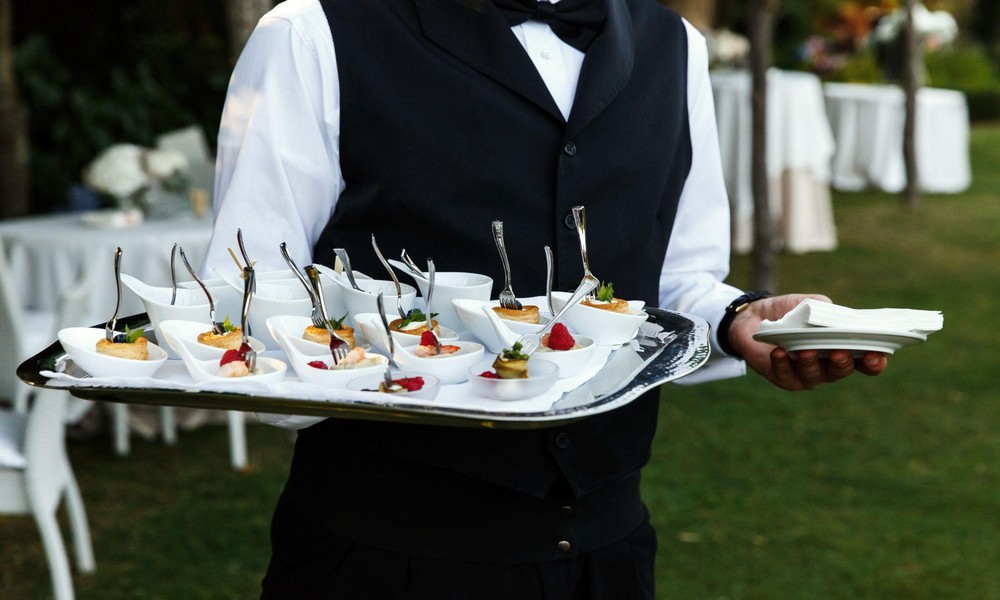
Wedding guests generally expect a more personalised dining experience. Couples often choose canapé menus that reflect their preferences, wedding themes, or cultural influences. The food presentation is also closely tied to photography and aesthetics. Wedding canapés are therefore often more decorative, detailed, and visually coordinated with the venue styling. Items may include premium ingredients, colourful garnishes, or customised plating methods designed to match the tone of the celebration.
Corporate guests usually focus less on presentation and more on convenience and practicality. After all, at networking sessions, seminars, launches, or business receptions, guests are often standing while speaking to clients or colleagues. The food needs to be easy to consume quickly without creating a mess or interrupting conversations. Corporate canapé selections are typically more functional, with simpler handling and shorter serving times.
This difference affects how a canapés catering provider plans menus, prepares serving trays, and allocates staffing during the event.
Timing and Service Flow
Wedding canapé service is usually tied to a structured programme. Canapés are commonly served during reception periods while couples are taking photographs or while guests are waiting for the main banquet to begin. The catering team needs to coordinate carefully with wedding planners, photographers, and emcees to avoid interruptions to major programme segments.
Corporate canapé service is often more flexible but faster-paced. Guests may arrive in waves depending on meeting schedules or registration timing. Service teams must continuously replenish food stations while ensuring smooth circulation throughout the venue. The event may also include speeches, networking breaks, or product demonstrations that affect food distribution timing.
Due to this, a catering company may assign different staffing ratios for weddings compared to business functions. Weddings may require more coordinated tray-passing service, while corporate events may require rapid replenishment and crowd management.
Menu Structure and Dietary Planning
Wedding canapé menus are usually curated around indulgence and variety. Couples may request seafood selections, premium meats, desserts, or fusion concepts that align with their event theme. Portion sizes are sometimes slightly larger because wedding receptions can extend over longer periods before the main meal begins.
Corporate canapé menus tend to prioritise broader dietary compatibility. Organisers often request vegetarian, halal-friendly, gluten-free, or allergy-conscious items to accommodate diverse workforces and clients. The emphasis is often on consistency and efficient production rather than highly customised dishes.
Additionally, in many business settings, canapé menus are also selected based on practicality. Foods that drip sauces, crumble easily, or require multiple bites may be avoided to reduce cleaning issues and maintain a professional environment.
Venue Logistics and Operational Requirements
Wedding venues often involve decorative layouts, formal seating arrangements, and coordinated staging. Catering teams must work carefully around floral installations, lighting equipment, and entertainment setups. Timing delays are also more common because weddings involve multiple vendors operating simultaneously.
Corporate venues may present different operational pressures. Office buildings, convention halls, and commercial venues often have stricter loading restrictions, shorter setup windows, and tighter security procedures. Catering teams may need to transport food through freight lifts, comply with building management requirements, or complete setup within limited timeframes.
These operational differences influence staffing schedules, equipment planning, and food preparation methods. A provider of canapés catering in Singapore handling both market segments usually develops separate workflows to manage these challenges effectively.
Conclusion
Although wedding and corporate canapés may appear similar to guests, the planning and operational processes behind them are significantly different. Weddings prioritise presentation, guest experience, and programme coordination, while corporate events focus more on efficiency, flexibility, and smooth crowd movement. Understanding these distinctions allows a catering company in Singapore to adapt menus, staffing, and service methods according to the demands of each event type.
Contact Elsie’s Kitchen and discover a smooth canapé service that can shape how naturally conversations and moments flow throughout the room.