
As the global community evenly emphasizes the importance of sustainability, projects across the board are ensuing ways to decrease their incidental impact. Among these areas, the metals industry holds significant potential for donating to a bearable future. Within this circumstances, inflexible metals, generally consisting of iron and steel, play a critical function.
This blog post surveys the miscellaneous habits in which ferrous metals are devoted to sustainability, analyzing their uses, recyclability, and potential for modernization.
The Environmental Impact of Ferrous Metals
• Production and Emissions
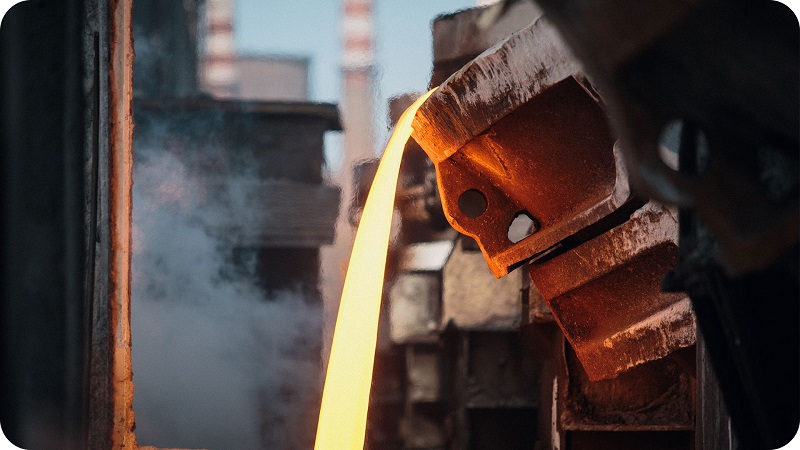
The result of inflexible metals is strength-intensive and ordinarily guides high detail emissions. This has established the fortify industry under search in the sustainability discourse.
However, recent progresses in science and processes are concreting the habit for more environmentally companionable production forms. For example, the adoption of forceful arc furnaces, that use reused steel, significantly reduces carbon impression distinguished to traditional blast furnaces.
• Recyclability: A Key Advantage
A main benefit of ferrous metals in the circumstances of sustainability is their recyclability. Steel, for instance, is 100% recyclable outside any deficit of condition. This attribute not only reduces the need for raw material genealogy but also decreases substance consumption and emissions guiding more results.
Ferrous Metals in Sustainable Infrastructure
· Building and Construction
In the territory of construction, ferrous metals are priceless. Steel, due to allure strength and recyclability, is a popular choice for designing sustainable constructions and infrastructure. The use of steel in explanation allows for the happening of structures that are not only strong and long-lasting but also adept in resource use, on account of prefabrication and modular creation techniques.
· Transportation and Automotive
Moreover, the recyclability of steel form is a preferred choice for manufacturers seeking to devise more sustainable automotive amounts.
Innovations and Future Perspectives
· Green Steel Initiatives
Innovation is at the heart of integrating hard metals into sustainable incidents. One of the most promising incidents is “green steel”—steel produced using hydrogen instead of carbon as a lowering agent.
· Circular Economy and Ferrous Metals
The concept of circular saving, where materials are reused and reused continuously, joins perfectly with the features of ferrous metals. By adopting circular saving principles, businesses can maximize the utility of these metals, decrease waste, and contribute to a sustainable ecosystem.
Conclusion
Ferrous metals, despite their strength-intensive result process, hold immense promise for sustainable incidents. By embracing both technological progress and circular economy law, we can ensure that ferrous metals provide positively to tenable development, transforming challenges into events for a greener planet.
As we continue to invent and adapt, the duty of ferrous metals in attaining sustainability goals will undoubtedly evolve, marking them as significant players in crafting a sustainable future.