
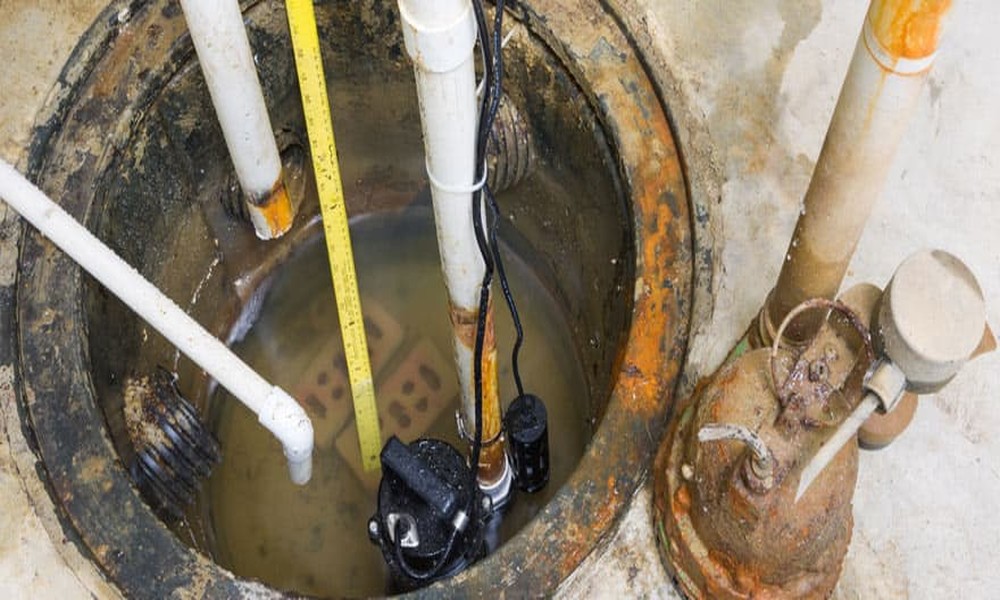
A wet basement or a flooded crawl space can cause major stress for any homeowner in Washington State. With the region’s heavy rainfall, high water tables, and seasonal snowmelt, a working sump pump is a necessity. When that pump fails, finding the right repair expert becomes a top priority.
Unfortunately, not every plumbing or waterproofing company has the same skill level with sump pump repair in Washington state. A poor repair choice can lead to repeated breakdowns, more water damage, and wasted money. This article walks through seven practical ways to select a qualified sump pump repair professional in Washington.
Look for Local Washington Experience
Weather and soil conditions differ greatly across Washington, from Seattle’s rainy climate to Spokane’s freeze-thaw cycles. A repair expert who has worked in the local area for several years will understand these specific challenges. They know that heavy clay soils can clog pump intakes faster and that high groundwater levels require stronger discharge setups. Homeowners should ask potential repair technicians how many sump pump jobs they have completed in the same county or city. A company that serves nearby neighborhoods will also respond faster during an emergency. Local experience often means the expert already knows common failure points for pumps installed in Washington homes.
Verify Licenses and Insurance Coverage
Washington State requires plumbers and pump installers to hold specific trade licenses through the Department of Labor and Industries. A legitimate sump pump repair expert should provide a valid license number without hesitation. Homeowners can check that number online to confirm it is active and free of complaints. Insurance is equally important because repair work involves electricity, water, and tight spaces. Liability insurance protects the homeowner if an accident causes further damage to the property. Workers’ compensation insurance protects the homeowner from being sued if a technician gets hurt on the job.
Ask About Diagnostic Methods
A good repair expert does not simply guess what went wrong with the sump pump. They use diagnostic tools and tests to find the root cause of the problem. For instance, they might check the float switch for obstructions, test the pump motor with a multimeter, or inspect the check valve for proper closure. They should also verify that the discharge pipe is not frozen or blocked with debris. Homeowners should feel comfortable asking the technician to explain each step of the inspection. A professional who skips diagnostics and immediately recommends a full replacement may not be the best choice.
Check Reviews and Request Recent References
Online reviews on Google, Yelp, and the Better Business Bureau give a snapshot of past customer experiences. Homeowners should look for patterns in the feedback, especially comments about reliability, punctuality, and follow-up service. A repair expert with mostly four-star or five-star ratings and detailed positive reviews is often a safe bet. It also helps to ask the company for two or three recent references from similar repair jobs in Washington. Speaking directly to a past client reveals whether the repair held up through the next heavy rainstorm.
Compare Warranties on Parts and Labor
Quality sump pump repair experts stand behind their work with clear written warranties. The warranty should cover both replacement parts and the labor to install them. A standard warranty period in Washington might be 90 days to one year, depending on the part type. Homeowners should avoid any technician who offers only a verbal promise or refuses to put terms in writing. In addition, ask whether the warranty transfers to a new homeowner if the property is sold within the coverage period.
Choosing the right expert for sump pump repair in Washington State comes down to careful research and smart questions. Homeowners benefit most from technicians who know local weather and soil conditions, hold proper state licenses, and carry active insurance. By following these guidelines, residents can protect their basements from future flooding and avoid repeat repair bills.