
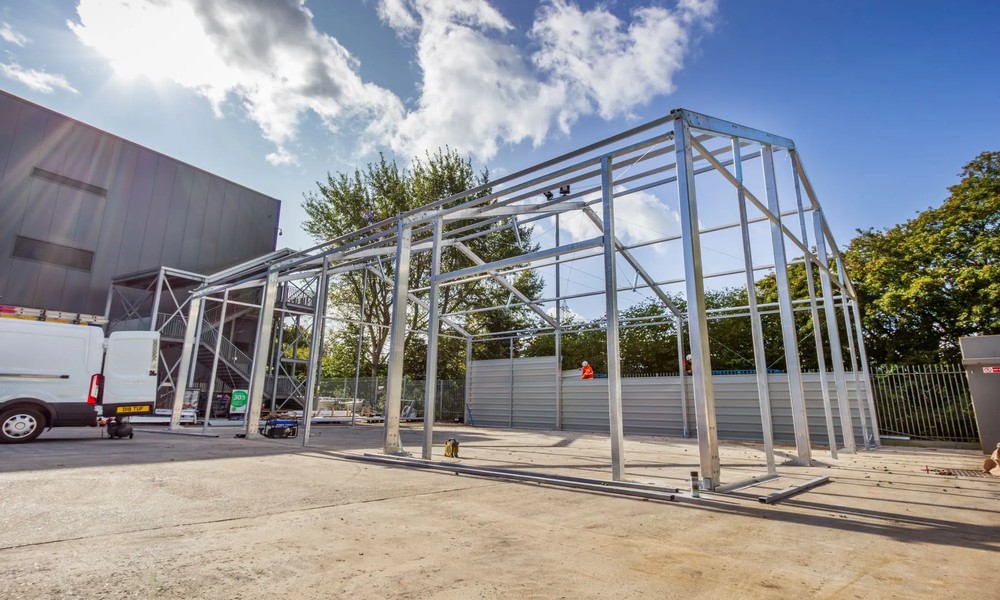
A miscalculation in temporary structures can halt a multi-million dollar construction project in its tracks. No matter how sophisticated the design, if the foundation of progress, those temporary supports, scaffolds, and shelters, is inadequate or poorly chosen, risks multiply and costs spiral.
The Critical Role of Temporary Structures in Construction Projects
Temporary structures act as the unsung backbone of modern construction. These are not just functional assets; they are strategic tools that directly influence safety, efficiency, and profitability. Whether supporting workers high above city streets or shielding equipment from harsh weather, temporary structures give projects the flexibility and support to progress smoothly.
Defining Temporary Structures: Types and Applications
Temporary structures come in many forms, each tailored to a specific construction need:
– Standard scaffolding and ringlock systems for vertical access and façade work.
– Shelters and containment covers to protect sensitive materials or provide weatherproof workspaces.
– Suspended or access floors that enable complex repairs or retrofits.
– Custom platforms for irregular or non-standard environments.
Each type carries its own set of engineering demands and application strengths.
How Temporary Structures Influence Project Timelines and Budgets
Time is money in construction. Well-chosen temporary structures accelerate workflow by making access easier and safer. Conversely, an ill-suited solution can delay critical stages, require costly modifications, or cause cascading scheduling issues. The bottom line? Smart temporary structure choices save both time and money.
Common Misconceptions About Temporary Structures
Some stakeholders see temporary structures as mere accessories, interchangeable, low-priority, or one-size-fits-all. In reality, choosing the right system means balancing technical specifications with site realities, labor constraints, and regulatory codes. Overlooking this strategic decision leads to increased hazards and unnecessary expense.
Selecting the Right Temporary Structure: Key Considerations
What separates a project that runs like clockwork from one mired in delays and safety concerns? The devil lies in the details of temporary structure selection.
Assessing Site Conditions and Environmental Factors
No two job sites are alike. Soil stability, weather patterns, and available space all dictate the kind of temporary support required. Urban sites may need space-saving scaffolds, while remote projects might prioritize quick assembly and transportability.
Load Requirements and Safety Standards
Every structure must bear specific loads, both static (equipment, materials) and dynamic (workers, wind forces). Adherence to rigorous safety standards, including periodic inspections, is non-negotiable. Overlooking load requirements risks not just compliance penalties, but real human tragedy.
Compatibility with Project Scope and Duration
Temporary structures must fit within the construction sequence. Will the scaffold be needed for two weeks or six months? Is there a need for reconfiguration as the project evolves? Flexible and modular systems often offer a better fit for dynamic timelines.
Materials and Engineering Innovations: From Standard Scaffolding to Custom Solutions
Advances in materials science, such as lightweight alloys, and modular engineering now offer solutions that combine strength, speed of assembly, and adaptability. The role of the scaffolding engineer NadeauSDM exemplifies how expertise in both standard and customized systems enables nuanced responses to unique project challenges.
Engineering Excellence: Designing for Stability and Efficiency
The difference between a makeshift fix and a finely engineered support system often comes down to scientific rigor and practical experience.
The Science Behind Structural Integrity in Temporary Installations
Temporary does not mean less robust. These structures must account for factors such as lateral loads, foundation settlement, and safe load paths. Engineering calculations ensure not just stability, but also resilience under unexpected conditions.
Modular Systems vs. Customized Frameworks: Pros and Cons
| Attribute | Modular Systems | Customized Frameworks |
|———————-|——————–|—————————-|
| Speed of Assembly | Fast | Slower |
| Flexibility | High (reconfigurable) | Tailored but fixed |
| Cost | Lower (standardized) | Higher (bespoke design) |
| Best Use | Repetitive/standard jobs | Unique/site-specific needs |
Case Studies: Successful Engineering Approaches by NadeauSDM and Industry Leaders
Industry leaders like NadeauSDM have demonstrated that an integrated engineering approach, where temporary structures are as rigorously designed as permanent ones, drastically reduces incidents and maximizes productivity. Their work on complex urban renovations and specialized containment showcases how expertise delivers safety and efficiency in tandem.
Operational Impact: How Temporary Structures Shape Construction Success
Temporary structures touch every stage of construction, shaping outcomes far beyond raw support.
Enhancing Worker Safety and Access
A well-designed scaffold or platform can be the difference between safe, efficient work and dangerous improvisation. Proper planning prevents falls, reduces physical strain, and ensures compliance with safety regulations.
Facilitating Workflow and Material Handling
Efficient access routes and organized staging areas accelerate deliveries and material movement across the site, preventing downtime and bottlenecks.
Minimizing Downtime with Flexible and Adaptable Structures
When projects face unexpected changes, adaptable temporary structures keep work moving. Quick modifications or relocations minimize delays that might otherwise sideline crews for days.
Regulatory Compliance and Risk Management
Temporary structures are scrutinized under local and national building codes. Proper design and documentation not only avoid fines but also reduce liability and incident risk.
Future Trends in Temporary Structure Engineering
Innovation is propelling temporary structures into a new era.
Advances in Lightweight and Sustainable Materials
Manufacturers now offer high-strength, ultralight scaffolding and shelters, reducing transport and labor costs. Recyclable materials are gaining traction in response to environmental pressures.
Integration of Digital Tools for Design and Monitoring
Digital modeling, real-time load sensors, and remote inspections are improving precision and accountability on complex builds. These technologies enable proactive maintenance and immediate troubleshooting.
The Growing Role of Temporary Structures in Urban and High-Rise Construction
As cities build upward, temporary structures must evolve to enable vertical logistics, high-rise façade access, and rooftop staging, all while minimizing urban disruption.
Best Practices for Choosing and Managing Temporary Structures
Success hinges not just on selection, but on ongoing collaboration and vigilance.
Collaborative Planning Between Engineers, Contractors, and Clients
Early-stage dialogue ensures that structures meet every stakeholder’s needs, functionally, financially, and safely.
Inspection, Maintenance, and Lifecycle Management
Regular inspections and timely maintenance are essential. A neglected scaffold can quickly become a hazard and a liability.
Cost-Benefit Analysis and Decision-Making Frameworks
Choosing the best temporary structure is not about lowest upfront cost, but about maximizing return on safety, efficiency, and overall project value.
Choosing the correct temporary structure shapes the very trajectory of a construction project. With a commitment to engineering excellence, adaptability, and ongoing communication, teams can ensure that their projects stand on a foundation as solid as the structures they aim to build.