
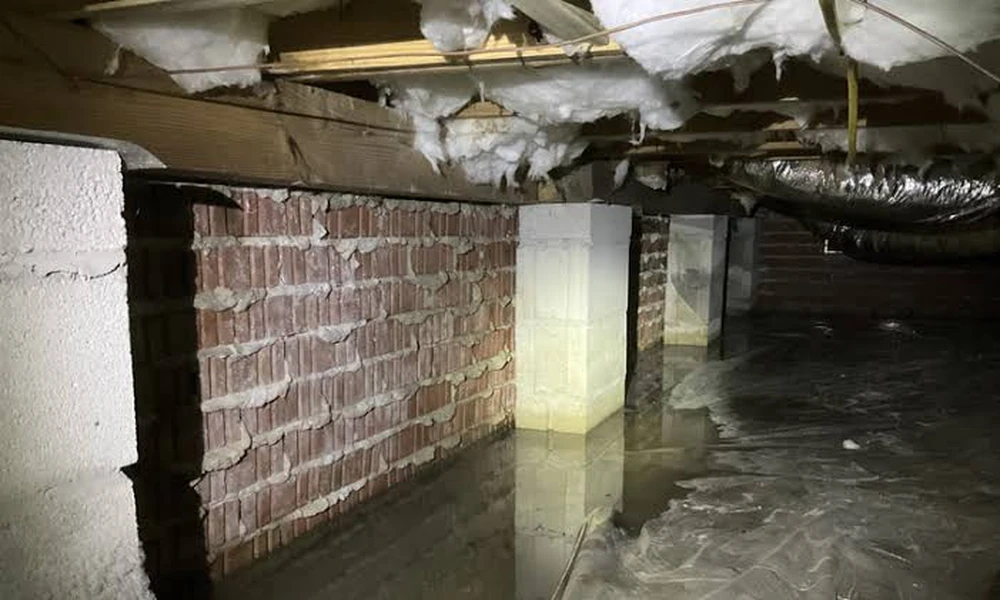
Most homeowners in Virginia Beach, Chesapeake and Norfolk never crawl under their own floors. That makes sense. The space is dark, cramped and usually claimed by spiders. Yet those two or three feet of air between the soil and your subfloor decide a surprising amount about how the house above smells, feels and ages.
The local setting raises the stakes. Much of Hampton Roads sits on a high water table, summer dew points regularly climb into the 70s, and every fall brings at least one nor’easter that parks offshore and soaks the ground for days. Restoration crews such as Community Property Restoration, a Virginia Beach outfit founded by a Hampton Roads native, tend to meet crawl space trouble at its worst stage, when sagging joists or spreading mold finally push a family to call. The good news is that the warning signs show up much earlier, and you can learn to read them.
The House Upstairs Starts Talking First
Air in a home moves upward. Warm air escapes through the attic and upper floors, and replacement air gets pulled in from below, which means a share of what you breathe in the living room spent time under the house first. When the crawl space is damp, the first floor usually lets you know through small, easy to dismiss clues.
- A musty, earthy smell that is strongest when you walk in after a day away or right after the air conditioner cycles on
- Hardwood boards that cup at the edges or open noticeable gaps that come and go with the seasons
- A spongy spot near the tub, toilet or dishwasher
- Interior doors that stick in August and swing freely by January
- A hygrometer reading well above 60 percent even with the AC running
- Floors that feel unusually cold in winter, a hint that insulation below has fallen away
None of these alone proves a crawl space problem. Two or three together are a strong reason to grab a flashlight.
A Slow Crawl From the Hatch to the Back Wall
Going under the house is less about spotting one dramatic failure and more about noticing how each layer is holding up. Wear old clothes, a respirator rated N95 or better, and gloves. Take photos of everything so you can compare them next season.
The vents along the foundation
Older homes in the region were built with foundation vents on the theory that outside air would dry the space. In a coastal summer the opposite often happens. Humid air flows in, meets the cooler soil and ductwork, and condenses into droplets. If the underside of the floor looks damp in July, the vents may be feeding the problem rather than solving it.
The ground cover
Look at the plastic sheeting on the soil. It should be continuous, overlapped at the seams and free of puddles. Torn plastic, bare patches of dirt or standing water after a heavy rain all tell you moisture is rising freely. Water that shows up from below rather than running in from the sides usually points to the water table, which matters later when choosing a fix.
Insulation hanging like wet laundry
Fiberglass batts between the joists soak up moisture, grow heavy and drop. Sagging insulation is not just an energy issue. Damp batts hold water against the wood all year.
Joists, sill plates and subfloor
This is where real damage lives. Press a screwdriver into a few joists. Sound wood resists, while rotting wood gives way or feels soft and stringy. Look for white fuzz, black spotting or a powdery bloom on block piers. Keep an eye out for mud tubes too, because termites thrive in damp wood and southeastern Virginia has no shortage of them.
Ducts, pipes and the condensate line
Ductwork running through a humid crawl space can sweat steadily, dripping onto insulation below. Check that duct joints are sealed and connected, since a loose section can pour conditioned air straight into the dirt. Trace the AC condensate line as well. It sometimes empties right under the house, adding gallons of water every summer week.
When a Storm Speeds Everything Up
A slow moisture problem can turn urgent overnight when a hurricane remnant or nor’easter pushes water into the crawl space. Floodwater carries soil, sewage and debris, so anything it touches, especially insulation and ductwork, generally needs removal rather than drying in place. The space has to be pumped out, wet materials pulled, and the wood brought back to normal moisture readings before anything new goes in. Closing it up too soon traps the water and restarts the clock on rot.
Coverage is worth understanding before a storm rather than after one. Standard homeowners policies typically exclude flood, and flood policies limit what they pay for below the lowest floor of a home. A sudden pipe burst is often treated very differently from seepage that built up over months, so photos and dated notes from your seasonal checks can carry real weight.
Matching the Fix to the Ground Beneath You
Repairs range from simple to substantial, and the right one depends on where the water is coming from.
If moisture is mostly rain related, start outside. Extend downspouts several feet from the foundation, clean gutters before storm season, and regrade soil so it slopes away from the walls. Inside, a properly lapped heavy vapor barrier may be all the space needs.
Where the water table rises into the crawl space, a sump pit in the lowest spot can carry groundwater out before it pools.
Full encapsulation goes further, with a thick liner sealed up the foundation walls, closed vents and a dedicated dehumidifier or conditioned air supply. Building codes allow sealed crawl spaces under specific conditions, but there is a local wrinkle. Homes inside a mapped flood zone are often required to keep flood openings that let water pass through the foundation during a surge. Sealing those can create compliance problems, so check your flood zone and your city’s building department before committing.
Whatever the approach, any mold already growing has to be cleaned and the moisture source corrected, or it returns. The EPA’s guide to mold and moisture in the home makes the point plainly that mold control comes down to moisture control, and it recommends keeping indoor humidity below 60 percent, ideally somewhere between 30 and 50.
Twice a Year Is Usually Enough
The simplest habit is a spring and fall look under the house. Spring tells you how the space handled winter rain. Fall, after storm season, shows what the summer humidity and any passing storms left behind. A cheap hygrometer left near the hatch, a flashlight and a phone full of dated photos turn a space most people avoid into one they actually understand. The floors you walk on every day will last longer for it.